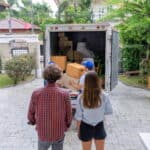

Moving brings a mix of anticipation and unpredictability, especially when timing, logistics, and emotions collide. Whether shifting a home or relocating a business, what truly matters is how well the day is planned out. With the right steps, a chaotic day becomes far more manageable. This approach centers on preparation and solid choices, particularly when it comes to the people and tools involved.
Organizing for Moving Day Success
No matter the size of the move, clear planning gives structure to what might otherwise be a scattered process. Someone who’s never moved before might underestimate how quickly things can spiral without a set schedule. Creating a simple timeline for the day helps avoid bottlenecks and confusion. Pew Research found that nearly one-third of Americans have never left their hometown, meaning many face moving with little to no prior experience.
- List major tasks by hour to avoid decision fatigue during the move
- Keep a printed copy of the timeline in a visible spot for quick reference
- Check off completed items to stay on track and reduce stress
Packing Strategies That Actually Work
Packing doesn’t need to be chaotic if a few smart habits are in place from the start. Color coding isn’t just for school supplies, it can transform the way boxes get sorted and unpacked. While bubble wrap is helpful, it’s not the only line of defense. Everyday household items can double as protective layers, reducing waste and keeping things cushioned.
- Assign a different color for each room and match boxes with tape or stickers
- Wrap dishes and breakables in T-shirts or towels instead of purchasing new materials
- Use smaller boxes for heavier items like books to prevent lifting issues
Picking a Moving Crew You Can Count On
Trust plays a big role in choosing who gets to handle personal or business belongings. Not all movers are created equal, and some don’t operate honestly. The Better Business Bureau warns that scams are still a concern, especially during peak moving seasons. Researching company history, checking for complaints, and asking specific questions can weed out red flags early on.
- Search the FMCSA database to verify licensing and insurance
- Ask for a binding estimate in writing before signing anything
- Read through multiple reviews and avoid companies with too-good-to-be-true rates
Managing Kids and Pets Without the Chaos
Children and animals don’t usually mix well with heavy lifting and open doors. Having them around during a move can be distracting and even dangerous. Whether it’s a sitter or a quiet space with toys or treats, planning for their comfort keeps everyone safer and more focused. It’s a detail that often gets overlooked until the moment it becomes a problem.
- Arrange care for kids and pets well before moving day
- Designate a calm room with water, snacks, and favorite items to keep them content
- Avoid moving large furniture near children or animals to reduce risk of injury

Preparing for Weather, No Matter the Forecast
Forecasts don’t always get it right. And even when they do, moving in less-than-perfect conditions can’t always be avoided. Early morning starts are better in the heat, while rain calls for extra protection and a bit more caution. Thinking ahead with supplies like tarps, mats, or plastic bins prevents rushed decisions in bad weather.
- Check weather updates daily the week before your move
- Lay plastic sheets over floors to prevent water damage indoors
- Keep an extra set of clothes and towels handy in case of a downpour
Handling Wet Weather with Less Stress
Rain changes everything when boxes and upholstered furniture are involved. It’s not just about staying dry, it’s about keeping floors safe, belongings protected, and movers from slipping. A little extra gear can help keep the move on track even if the skies open up.
- Use waterproof wraps or large garbage bags to shield electronics and fabric furniture
- Set up a towel station at entry points to reduce tracked-in water
- Place flattened cardboard or rugs inside doorways for added grip
Solving Problems on the Fly
Surprises have a way of showing up when everything seems under control. Maybe the truck breaks down or a key piece of furniture doesn’t fit through the door. The U.S. Census Bureau reports around 40 million Americans move annually, and it’s safe to say most of those don’t go perfectly. Preparing for hiccups means less stress when something doesn’t go as planned.
- Have a basic toolkit handy for minor repairs or disassembly
- Keep spare boxes and tape available for unexpected packing needs
- Carry cash or cards in case you need to make last-minute purchases
First Things First After the Move
Once everything’s in, it’s tempting to collapse on the nearest surface, but a little prioritizing goes a long way. Bedding, bathroom items, and a few kitchen basics should always be unpacked first. The American Moving & Storage Association says many people misjudge how long settling in really takes. Focusing on comfort early makes the rest of the unpacking feel less urgent.
- Unpack and make beds first so everyone has a place to rest
- Set up the bathroom with towels, soap, and toilet paper right away
- Plug in essential appliances and prepare a simple meal to feel more at home

Key Takeaways for a Well-Planned Moving Day
- Detailed scheduling can prevent most last-minute stressors
- Smart packing with household items cuts costs and keeps things organized
- Choosing reputable movers protects both your belongings and your peace of mind
- Weather prep keeps your move safe and dry regardless of the conditions
- Planning ahead for pets, children, and surprises adds control to a chaotic day
- Unpacking key items first helps the new space feel livable from day one
Frequently Asked Questions About Moving Day
- What are the best packing materials if I want to avoid buying new supplies?
Use towels, blankets, and old clothes to wrap fragile items. Reused boxes from grocery stores can work well if they’re clean and sturdy. - How can I avoid being scammed by a moving company?
Always verify licenses through the Federal Motor Carrier Safety Administration (FMCSA), and avoid companies that require large deposits upfront. - What should I do if the weather changes last minute?
Keep plastic wrap, garbage bags, and tarps nearby. Use them to cover furniture or create dry walking paths indoors and out. - What are the most commonly forgotten items during a move?
Chargers, documents, medications, and toiletries often get overlooked. Keep those in a separate essentials bag or box. - How can I settle in quickly after the move?
Prioritize setting up beds and bathrooms. Once basic comforts are in place, it’s easier to tackle the rest without feeling overwhelmed.